
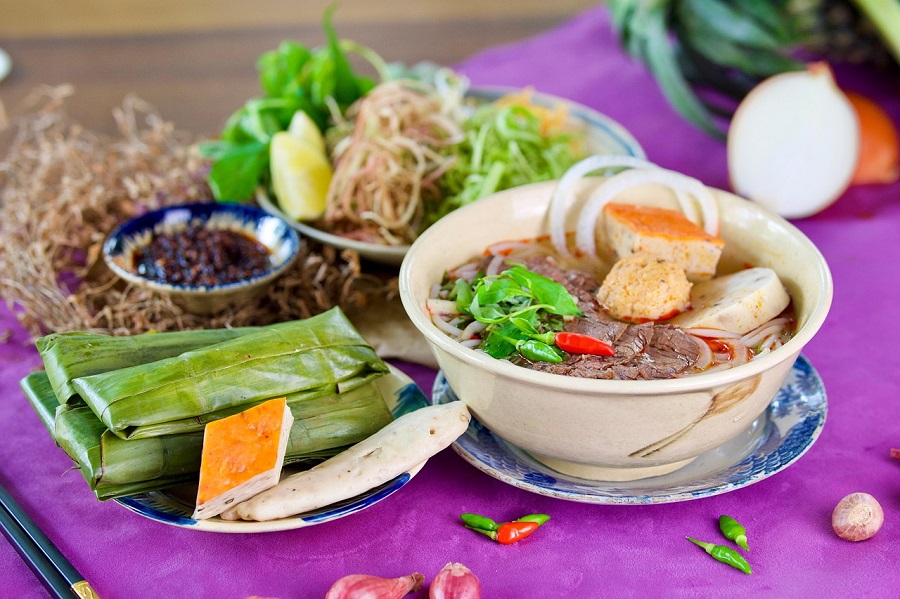
Vietnamese food and restaurants

The air in Ho Chi Minh City is a thick perfume of spices, exhaust fumes, and the sweet, nutty aroma of roasting peanuts. It’s a scent that instantly transports me, a signal that I’m back in one of my favorite places on Earth, a place where my taste buds feel truly alive: Vietnam. For me, Vietnamese food isn’t just sustenance; it’s an experience, a vibrant tapestry woven with fresh ingredients, delicate flavors, and a history as rich as a slow-cooked broth. And the restaurants, from bustling street stalls to elegant dining rooms, are the vibrant threads that bring this tapestry to life.
What truly sets Vietnamese food apart, in my opinion, is its unwavering commitment to freshness. Every dish I encounter seems to burst with life, a direct connection to the fertile lands and bountiful waters of Vietnam. This isn’t a cuisine that relies on heavy sauces or excessive cooking to mask flavors. Instead, it celebrates the inherent goodness of its ingredients, allowing them to shine through with clarity and vibrancy.
A Symphony of Herbs and Greens
My most vivid culinary memories are almost always punctuated by the presence of fresh herbs. Cilantro, mint, basil (both Thai and holy), perilla, and dill – they aren’t mere garnishes; they are integral components, adding layers of complexity and aroma. A steaming bowl of pho is incomplete without a generous mound of fresh herbs on the side, ready to be torn and added to personalize each spoonful. The fragrant crunch of mint, the peppery kick of basil, the bright citrus notes of cilantro – together, they transform a simple broth into a multi-dimensional sensory delight. Even a quick stir-fry is elevated by a scattering of fresh greens just before serving, preserving their crispness and vibrant color. I often find myself marveling at how these seemingly simple additions can unlock such profound flavors. It’s a game changer, and a constant reminder of Vietnam’s agricultural richness.
The Art of Balance: Sweet, Sour, Salty, Bitter, and Umami
Beyond the emphasis on fresh ingredients, Vietnamese cuisine is a masterclass in achieving perfect balance. It’s not just about sweet, sour, salty, and bitter; there’s a crucial fifth element, umami, that underpins so many of the dishes. This delicate equilibrium is what makes every bite so satisfying and leaves you craving more. A dish might start with a hint of sweetness from palm sugar, followed by the tang of lime or vinegar, a salty depth from fish sauce, and then a subtle bitterness from certain vegetables or herbs. This interplay is not accidental; it’s a carefully cultivated art form honed over generations. I’ve learned that the best Vietnamese cooks understand this instinctively, knowing precisely when to add a touch of lime to cut through richness, or a pinch of sugar to soften the acidity. This constant dance of flavors prevents any single element from dominating, creating a harmonious and utterly delicious whole.
The Humble yet Mighty Fish Sauce
It’s impossible to talk about Vietnamese food without acknowledging the indispensable role of nuoc mam, or fish sauce. This fermented condiment, with its potent, savory aroma, is the lifeblood of countless Vietnamese dishes. Far from being just a salty seasoning, high-quality fish sauce, particularly the brands from Phu Quoc Island, offers an incredible depth of umami that is hard to replicate. It’s used in marinades, dipping sauces, and as a finishing touch to bring dishes together. I remember visiting a small fishing village where the air was thick with the scent of fish sauce being made, a testament to its importance in the coastal communities. The refined versions I taste in restaurants are always a revelation, far removed from the pungent smell one might associate with lower-quality versions. It’s the secret ingredient that adds that intangible ‘something’ to everything from stir-fries to spring rolls.
If you’re a fan of Vietnamese cuisine and looking to explore its vibrant flavors, you might find it interesting to check out this article on the best restaurants in Dubai and their signature specialties. The diverse culinary scene in Dubai includes some fantastic Vietnamese dining options that showcase traditional dishes with a modern twist. To learn more about these delightful eateries, visit this link for a comprehensive guide.
Vietnamese Restaurants: A Spectrum of Culinary Experiences
The diversity of Vietnamese restaurants is as vast as the country itself. From the humblest roadside stall serving a single, perfected dish to elegant establishments offering meticulously prepared multi-course meals, there’s a Vietnamese restaurant to suit every mood, budget, and occasion. I’ve learned to appreciate the unique charm and offerings of each type.
Street Food: The Heartbeat of Flavor
Street food
For me, the absolute soul of Vietnamese cuisine resides on its streets. The sheer audacity and deliciousness of the food prepared from carts, makeshift kitchens, and tiny, open-fronted shops is astounding. These are the places where generations of culinary knowledge are passed down, where recipes are perfected, not through fancy laboratories, but through countless bowls of soup and countless grilled skewers.
The Art of the One-Dish Wonder
Many street food vendors specialize in just one or two dishes, and they do them exceptionally well. Take banh mi, for instance. While you can find delicious banh mi in many places, the ones from the unassuming carts, stuffed with pâté, grilled meats, pickled vegetables, and fresh cilantro, are often the most memorable. Then there’s bun cha, a Hanoi specialty where grilled pork patties and sliced pork belly are served in a tangy dipping sauce with vermicelli noodles and a mountain of fresh herbs. The smoky char of the pork, the sweet and sour broth, and the refreshing herbs create a perfect synergy. I remember stumbling upon a tiny stall in Hanoi’s Old Quarter, no bigger than a few square meters, where the bun cha was so divine it made me question every other meal I’d had before. The vendor, a woman with decades of practice etched onto her face, served bowls with practiced efficiency, her movements precise and economical. It was a masterclass in dedication to a single craft.
The “Mam” Phenomenon: Fermented Delights
Vietnamese street food also embraces the unashamed use of fermented ingredients, often referred to as “mam,” which can include fermented shrimp paste, fermented fish, and fermented rice. These ingredients contribute a deep, pungent, and incredibly satisfying umami flavor. A classic example is bun mam, a rich and flavorful noodle soup from the Mekong Delta, characterized by its shrimp paste broth. It might sound intimidating to some, but the complex layers of flavor are utterly captivating. I initially approached this dish with a degree of trepidation, but the rich, savory depth that unfolded with each spoonful was a revelation. It’s a testament to the Vietnamese palate’s ability to embrace and celebrate bold, fermented flavors.
Casual Eateries: Everyday Delights
Beyond the street food scene, casual eateries offer a more comfortable and structured dining experience while still retaining that authentic, home-style feel. These are the places I frequent for a relaxed lunch or an unpretentious dinner with friends. They often have a broader menu than street stalls, allowing for exploration of various dishes and regional specialties.
The Ubiquitous Noodle Soups
Vietnamese noodle soup
Pho is, of course, the undisputed king of Vietnamese noodle soups, and its presence in casual eateries across the country is a given. However, the nuances between different restaurants are fascinating. Some excel at beef pho, offering a rich, clear broth simmered for hours with aromatic spices. Others might specialize in chicken pho, with a lighter, more herbaceous broth. I’ve also discovered regional variations, like the sweet and savory bun bo Hue, a spicy beef noodle soup from the former imperial capital of Hue, which has a distinct character of lemongrass and chili. The sheer variety of noodle soups available is staggering, each offering its own unique comfort and flavor profile.
Com Tam: The Comfort of Broken Rice
Another staple in casual Vietnamese restaurants is com tam, or broken rice. This dish features rice grains that were broken during the milling process, giving them a unique texture and allowing them to absorb sauces and flavors more readily. Com tam is typically served with a variety of toppings, such as grilled pork chops, shredded pork skin, steamed egg meatloaf, and a fried egg. The accompanying dipping sauce, usually a sweet and savory fish sauce mixture, ties everything together. I find com tam to be the ultimate comfort food, a simple yet satisfying meal that always hits the spot. The slightly chewy texture of the broken rice is incredibly pleasing, and the combination of the various toppings offers a delightful range of flavors and textures.
Upscale Vietnamese Dining: Refined Flavors
While I adore the raucous energy of street food, there’s a special place in my heart for the more refined experience offered by upscale Vietnamese restaurants. These establishments often focus on presentation, showcasing the delicate artistry of Vietnamese cuisine with meticulously prepared dishes and a sophisticated ambiance.
Nouvelle Cuisine and Fusion
Some of these restaurants take traditional Vietnamese dishes and reimagine them with modern culinary techniques and international influences. This can involve lighter preparations, more intricate plating, and the incorporation of non-traditional ingredients. I’ve encountered dishes where familiar flavors are presented in unexpected ways, often resulting in a delightful challenge to my preconceived notions of Vietnamese food. It’s a way of experiencing the classics through a new lens, appreciating the adaptability and evolution of the cuisine.
Wine Pairings and Artisanal Cocktails
Upscale Vietnamese dining often extends beyond the food itself, with thoughtful wine pairings and artisanal cocktails designed to complement the nuanced flavors of the dishes. This elevates the dining experience into a truly holistic sensory journey. I’ve had evenings where a crisp Sauvignon Blanc perfectly cut through the richness of a seafood dish, or a custom-made cocktail with lemongrass and ginger provided a refreshing counterpoint to a spicy curry. It’s a testament to how Vietnamese cuisine can hold its own on the global fine dining stage.
Signature Dishes That Define the Vietnamese Culinary Landscape

While the diversity is vast, certain dishes have become iconic, representing the very essence of Vietnamese cuisine and are often the first ones people think of when they hear “Vietnamese food.” These are the dishes I always seek out, the ones that have consistently impressed me and continue to beckon me back.
Pho Bo: The National Treasure
I can’t begin an article about Vietnamese food without dedicating significant space to pho bo, or beef noodle soup. While its origins are debated, its status as Vietnam’s national dish is undeniable. The magic of pho lies in its deceptively simple yet profoundly complex broth. It’s crafted by simmering beef bones, beef cuts, and aromatic spices like star anise, cinnamon, cloves, ginger, and charred onion for many hours, creating a clear, fragrant, and deeply savory liquid.
The Broth is King
For me, the quality of a pho restaurant is almost entirely determined by the depth and clarity of its broth. A good pho broth should be clean on the palate, with layers of spice that unfold gradually. It shouldn’t be greasy or overly salty. The interplay of the spices should be harmonious, never overpowering. I’ve had pho in countless places, from small Hanoi stalls to renowned restaurants in Saigon, and the subtle differences in the broth are always a fascinating study. Some are sweeter, some are more peppery, and some have a distinct ginger note that I find particularly appealing.
The Perfect Bowl Components
Beyond the broth, the other components are crucial. Thinly sliced rare beef (which cooks in the hot broth), tender brisket, springy rice noodles, and a generous assortment of fresh herbs – cilantro, basil, mint, and bean sprouts – are standard. The addition of lime juice and chili sauce allows for personalization, transforming each bowl into a unique culinary creation. I always start with the broth, savoring its warmth, and then systematically add the accompaniments to build my perfect bite, alternating between the savory broth, the tender noodles, the fresh herbs, and the occasional burst of chili heat.
Banh Mi: The Perfect Sandwich
The banh mi is another Vietnamese culinary icon, a testament to the country’s colonial past and its ability to adapt and create something entirely new and delicious. This French-inspired baguette sandwich has become a global phenomenon, and for good reason. It’s a symphony of textures and flavors, all contained within a light, crispy crust.
Baguette Brilliance
The key to a great banh mi is the baguette itself. It should be light, airy, and with a shatteringly crisp exterior. The Vietnamese have perfected this art, creating baguettes that are distinct from their French counterparts, often using a mix of wheat and rice flour for an even lighter texture. The filling is where the magic truly happens. A typical banh mi will feature a layer of smooth, savory pâté, followed by your choice of protein, which could be grilled pork, shredded chicken, or cold cuts. Then comes the vital crunch of pickled daikon and carrots, a dash of soy sauce or chili sauce, and a generous scattering of fresh cilantro.
Endless Variations
While the classic banh mi is hard to beat, the variations are endless. Some vendors offer unique fillings like fried eggs, fish cakes, or even sardine banh mi. I’ve also encountered vegetarian versions that are equally delicious, often featuring marinated tofu and a medley of fresh vegetables. The beauty of banh mi lies in its versatility and its ability to satisfy a craving for something both substantial and incredibly flavorful. It’s the perfect grab-and-go meal, a portable culinary masterpiece.
Goi Cuon: Fresh Spring Rolls
For a lighter, fresher taste of Vietnam, goi cuon, or fresh spring rolls, are an absolute delight. These delicate translucent rolls are a far cry from their deep-fried cousins, offering a refreshing burst of flavor and a satisfying textural contrast.
The Art of the Wrap
The magic of goi cuon lies in the rice paper wrapper. When dipped briefly in water, it becomes pliable and slightly sticky, perfect for encasing the fresh ingredients within. A typical filling includes cooked shrimp, thin slices of pork, vermicelli noodles, fresh lettuce, and an abundance of fresh herbs like mint and cilantro. The key is to not overfill the wrapper, allowing the delicate flavors of each ingredient to shine through.
The Essential Dipping Sauces
While the rolls themselves are delicious, they are often enhanced by the accompanying dipping sauces. Common choices include a hoisin-based sauce, often made even richer with the addition of peanut butter, or a classic nuoc cham, a tangy fish sauce-based concoction with chili, garlic, and lime. I find myself gravitating towards the peanut sauce, its creamy sweetness a perfect foil to the freshness of the rolls. Mastering the art of rolling these is a personal goal, as they look so elegant when done perfectly.
Regional Specialties: A Culinary Map of Vietnam

Vietnam’s diverse geography and rich history have given rise to distinct regional culinary traditions. Exploring these specialties is like embarking on a gastronomic journey across the country, each region offering its own unique flavors and dishes.
Northern Vietnam: Elegance and Refinement
Northern Vietnamese cuisine, particularly from Hanoi, is often characterized by its elegant simplicity and delicate flavors. There’s a focus on fresh ingredients and a less liberal use of sugar and spice compared to other regions.
Hanoi’s Culinary Pride
As mentioned, pho is a cornerstone of Northern cuisine, with Hanoi being its spiritual home. Other iconic dishes include bun cha, a flavorful grilled pork and noodle dish, and cha ca La Vong, a turmeric-marinated fish dish cooked at the table with dill and scallions. I was captivated by the subtle spices and balanced flavors of cha ca La Vong, the way the dill infused the fish with its distinct aroma was unforgettable. The presentation, with the ingredients cooked at the table, added an interactive element that made the meal even more engaging.
The Influence of French Colonialism
Northern cuisine also bears the notable influence of French colonialism, much like the banh mi. However, the adaptation in the North is often more subtle, with French bread loaves being used for sandwiches that are filled with traditional Vietnamese ingredients. It’s a fascinating blend of East and West, a culinary dialogue that has produced something uniquely Vietnamese.
Central Vietnam: Bold Flavors and Imperial Legacies
Central Vietnam, with its vibrant history as the imperial capital, boasts a cuisine that is often more complex and refined, with a playful use of spices and a focus on balance.
Hue’s Royal Cuisine
Hue, the former imperial capital, is renowned for its sophisticated royal cuisine. Dishes are often smaller in portion but meticulously prepared and presented, showcasing a deep understanding of flavor and aesthetics. Bun bo Hue, a spicy and aromatic beef noodle soup with lemongrass, is a standout, showcasing the region’s love for bold flavors. I was particularly impressed by the intricacy of Hue’s royal banquets, where each dish was a miniature work of art, designed to tantalize the senses.
Hoi An’s Culinary Charms
The charming ancient town of Hoi An offers its own unique culinary landscape. Cao lau, a regional noodle dish with unique chewy noodles, slices of pork, and crispy croutons, is a must-try. White rose dumplings (banh bao vac), delicate shrimp dumplings shaped like roses and topped with crispy fried shallots, are another local specialty that exemplifies the region’s delicate touch. The sheer charm of eating these dishes, surrounded by the lantern-lit streets of Hoi An, is an experience I cherish.
Southern Vietnam: Sweetness and Abundance
The Mekong Delta, the agricultural heartland of Vietnam, in the South, is known for its abundance of fresh produce and a cuisine that often leans towards sweeter flavors.
The Bounty of the Mekong
Southern Vietnamese cuisine is characterized by its use of coconut milk, fresh fruits, and a slightly sweeter profile. Dishes often incorporate ingredients like taro, sweet potatoes, and a wide variety of seafood. Hu tieu, a noodle soup that can be served in a clear broth or with a rich, savory gravy, is popular. The regional variations of hu tieu are fascinating, ranging from delicate rice noodle soups to more hearty stews.
The Sweetness of Desserts
Southern Vietnam also excels in its sweet treats. Coconut candy, made from coconut milk and sugar, is a popular souvenir, and fresh fruit desserts, often blended with condensed milk and ice, are a refreshing way to end a meal. The abundance of fruit in the South translates into a vibrant dessert scene, with flavors that are both familiar and exotic. I’ve developed a particular fondness for che, Vietnamese sweet soups and puddings, which come in an incredible array of flavors and textures, often featuring beans, fruits, and jellies.
If you’re a fan of Vietnamese cuisine, you’ll find a delightful array of flavors and dishes that are sure to tantalize your taste buds. From the fragrant pho to the crispy banh mi, the diversity of Vietnamese food is truly remarkable. For those looking to explore some of the best dining options, check out this article on the best restaurants in Miami and their signature specialties, which highlights various culinary experiences that might inspire your next meal. Whether you’re a seasoned enthusiast or new to the cuisine, there’s always something exciting to discover in the world of Vietnamese food.
The Vietnamese Dining Experience: More Than Just Food
| Category | Metrics |
|---|---|
| Number of Vietnamese restaurants | 5000 |
| Popular Vietnamese dishes | Pho, Banh Mi, Spring Rolls, Bun Cha |
| Global popularity of Vietnamese cuisine | Increasing trend |
| Number of Vietnamese food lovers | Millions worldwide |
What truly makes dining in Vietnam so special, beyond the incredible food, is the cultural experience that surrounds it. It’s about the warmth of the people, the convivial atmosphere, and the way food is deeply interwoven into the social fabric.
The Importance of Sharing
Vietnamese meals are often a communal affair, with dishes served family-style, encouraging sharing and conversation. It’s a beautiful way to connect with others, to pass dishes around, and to experience a wider range of flavors together. I’ve learned that the act of sharing food in Vietnam is as important as the food itself, fostering a sense of togetherness and camaraderie. There’s a joy in seeing everyone reach for the same bowl, to comment on the flavors, and to discover new dishes collectively.
Hospitality and Graciousness
Vietnamese hospitality is legendary. Even in the humblest establishments, you’ll often be met with genuine smiles and a desire to make you feel welcome. Restaurant owners and staff take great pride in their food and are eager to explain dishes, offer recommendations, and ensure you have a satisfying experience. I’ve often been surprised by the extra touches, like a complimentary bowl of dessert or a warm farewell. This inherent graciousness is a vital ingredient in the overall Vietnamese dining experience.
The Soundscape of Vietnamese Restaurants
The ambient sounds of Vietnamese restaurants are as much a part of the experience as the flavors. The clatter of dishes, the lively chatter of diners, the sizzle of food being cooked on open flames, and the occasional burst of laughter create a vibrant and energetic atmosphere. It’s a symphony of everyday life, a soundtrack that accentuates the deliciousness of the meal. I find these sounds incredibly comforting, a reminder of the bustling energy of Vietnamese life.
A Lasting Impression
My journeys through Vietnam have been punctuated by countless culinary adventures. From savoring the fragrant broth of pho at a bustling street stall to indulging in the delicate flavors of a multi-course meal at an upscale restaurant, each experience has left an indelible mark on my palate. Vietnamese food, with its emphasis on freshness, balance, and vibrant flavors, is a true testament to the country’s rich culture and its people’s culinary prowess. I eagerly anticipate my next visit, knowing that there are always new flavors to discover, new dishes to savor, and new restaurants to explore. The allure of Vietnamese food and its restaurants is a constant, a delicious promise of sensory delights that never fails to deliver.
See also Some reasons to travel to Vietnam
Recent Stories
-
The Rise of the Fallcation: Why September to November Is... traveljunky.in
-
Durga Puja in Kolkata 2026: Complete Guide for First-Time Visitors traveljunky.in
-

Dar Essalam Marrakech Review: Restaurant, Menu, Prices & Dinner Show marrakechinmorocco.com
-

Dinner and Show in the Agafay Desert marrakechinmorocco.com
-

Hot Air Balloon Marrakech: Complete Guide, Prices & Tips marrakechinmorocco.com
Leave Your Comment