
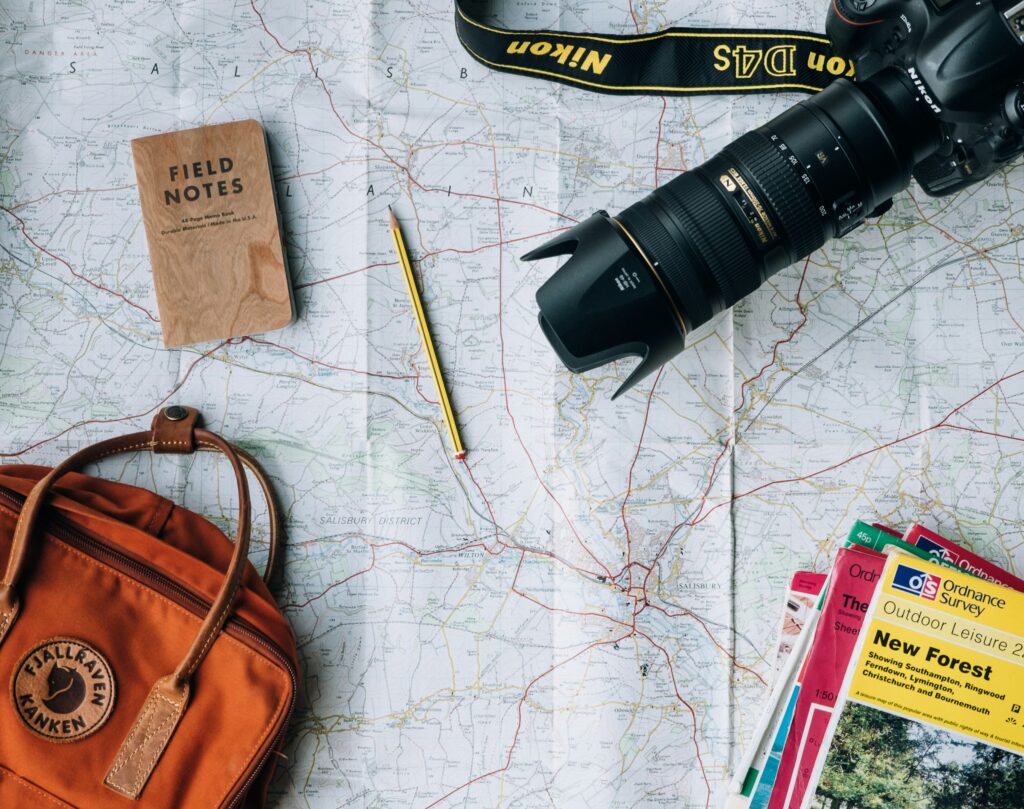
Ultimate Trip Planning Resources: Your Guide to Stress-Free Travel

Planning a trip can feel like a huge undertaking, but what if I told you it doesn’t have to be a source of stress? The secret to smooth sailing isn’t some magical travel fairy; it’s simply having the right resources at your fingertips. Think of this as your toolkit, packed with everything you need to turn those travel dreams into reality, without the pre-trip anxiety. We’ll cover how to find amazing deals, plan your itinerary like a pro, keep your budget in check, and even tackle the nitty-gritty details that can sometimes trip you up.
Let’s be honest, flights and hotels can be the biggest chunk of your travel budget and often the most daunting part of planning. But with a few smart strategies, you can unlock some incredible savings and secure places that actually suit you. It’s about knowing where to look and when to book.
Finding the Best Flight Deals
The flight hunt used to involve endless searching, but now there are some fantastic tools to make it much more effective.
Flexible Dates are Your Best Friend
If your schedule allows, being flexible with your travel dates can open up a world of cheaper options. Mid-week flights are often less expensive than weekend ones, and traveling outside of peak season or school holidays can dramatically lower prices.
Utilize Flight Comparison Websites
Websites like Google Flights, Skyscanner, and Kayak are invaluable. They scour hundreds of airlines and travel agents simultaneously. Don’t just check one; compare the results across a few to ensure you’re getting the broadest picture.
Set Up Price Alerts
These comparison sites often have a feature where you can set up email alerts for specific routes and dates. You’ll get notified when prices drop, allowing you to snag a deal as soon as it appears.
Consider Nearby Airports
Sometimes flying into or out of a slightly less popular airport can save you a significant amount of money. Do a quick check of regional airports near your destination to see if it’s a viable and cost-effective alternative.
Look into Budget Airlines (with Caution)
Budget airlines can offer incredibly low fares, but always read the fine print. Factor in the cost of checked baggage, seat selection, and even printing your boarding pass, as these extras can quickly add up and negate the initial savings.
Smart Accommodation Choices
Where you stay can make or break a trip. It’s not just about a place to sleep; it’s about the experience, location, and your wallet.
Beyond Traditional Hotels: Exploring Alternatives
- Vacation Rentals (Airbnb, Vrbo): These are fantastic for longer stays, families, or if you want a kitchen to save on dining costs. You get more space and a local feel.
- Hostels: Don’t dismiss hostels if you’re traveling solo or on a tight budget. Many now offer private rooms and are a great way to meet other travelers. They’re not just for backpackers anymore.
- Boutique Hotels: For a more unique and personalized experience, explore smaller, independent hotels. They often offer great value and a distinct character.
Location, Location, Location (and Value)
Think about what’s important to you. Do you want to be in the heart of the action, or prefer a quieter neighborhood with good public transport links? Always check reviews regarding noise levels and proximity to attractions and amenities.
The Power of Reviews
Don’t just glance at the star rating. Read recent reviews to get a feel for the current state of the property, cleanliness, service, and any potential issues. Pay attention to comments that mention specific details relevant to your needs.
Booking Directly vs. Third-Party Sites
Sometimes booking directly with a hotel can offer better rates or perks like free breakfast or upgrades. It’s worth a quick check on the hotel’s own website after you’ve found a potential option on a booking platform.
If you’re looking for comprehensive trip planning resources to enhance your travel experience, you might find this article on Lecce, Italy, particularly useful. It provides insights into the must-see attractions and activities in the city, making it easier for you to create an unforgettable itinerary. For more information, check out the article here: What to Do and See in Lecce, Italy, and Why It’s Worth Visiting.
Crafting Your Perfect Itinerary
Once your flights and accommodation are sorted, it’s time to map out your adventures. A well-planned itinerary balances your must-sees with spontaneous exploration, preventing you from feeling overwhelmed or missing out.
Researching Your Destination
This is where the excitement builds. Get a feel for what your destination offers.
Immerse Yourself in Local Culture and History
Beyond the famous landmarks, what are the hidden gems? Read up on the local history, customs, and traditions. This will enrich your understanding and appreciation of the place you’re visiting.
Identify Your “Must-Dos” and “Nice-to-Haves”
Make a list of the absolute essential experiences and sights you want to tick off. Then, create a secondary list of things you’d like to do if time and budget allow. This helps prioritize.
Understand Local Transportation
How will you get around? Public transport, ride-sharing, walking, or renting a car? Researching this in advance saves time and potential confusion upon arrival. Look for information on transport passes if you plan to use public transport extensively.
Structuring Your Days
Avoid over-scheduling. Leave room for the unexpected.
Group Activities by Location
When planning your daily schedule, try to group attractions that are geographically close to each other. This minimizes travel time and maximizes your exploring potential.
Build in Downtime
Travel can be exhausting. Schedule in periods of relaxation, whether it’s a leisurely coffee break, an afternoon reading in a park, or simply returning to your accommodation to recharge.
Be Realistic About Time
Visiting a museum can take longer than you think, especially if you stop to read every exhibit. Be generous with your time estimates for activities.
Embrace Spontaneity
While planning is key, don’t pack every minute. Sometimes the best travel experiences are the unplanned ones – stumbling upon a charming local market, a street performance, or a friendly conversation with a local.
Budgeting Like a Boss

Money management is rarely the most glamorous part of travel, but it’s crucial for a stress-free experience. Knowing your budget and sticking to it prevents financial worries from overshadowing your trip.
Pre-Trip Budgeting
This is where you map out your spending before you even leave.
Estimate All Potential Expenses
Go beyond just flights and accommodation. Think about:
- Food: Daily meal costs (restaurants, groceries), snacks, drinks.
- Activities and Entrance Fees: Museums, tours, attractions, entertainment.
- Transportation: Local transport, airport transfers, fuel if renting a car.
- Souvenirs: Gifts for yourself or others.
- Miscellaneous: Travel insurance, visas, communication (SIM cards), tips, unexpected purchases.
Research Average Costs in Your Destination
Look up typical prices for meals, public transport, and attraction entry fees for your chosen destination. This will give you a more accurate spending picture.
Factor in a Contingency Fund
It’s wise to build in an extra 10-15% for unforeseen circumstances, impulse buys, or just to have a little extra breathing room.
Managing Money on the Road
Once you’re traveling, keeping track of your spending is key.
Use Budget Tracking Apps
There are many excellent apps (like Trail Wallet, PocketGuard, or simply a spreadsheet) that allow you to log your expenses as you go. This makes it easy to see where your money is going.
Consider a Travel-Specific Debit/Credit Card
Look for cards that offer no foreign transaction fees and good exchange rates. You might also consider having a backup card from a different bank in case one is lost or stolen.
Withdraw Cash Strategically
If you prefer to use cash, withdraw larger amounts from ATMs at a time to minimize ATM fees. Always be aware of your surroundings when using ATMs, especially in unfamiliar places.
Set Daily Spending Limits
Break down your overall budget into daily allowances. This provides a clear target for your spending each day and helps you stay on track.
Essential Travel Logistics and Documentation

These are the often-overlooked details that can save you a lot of hassle. Getting these right makes the journey smoother from start to finish.
Passport and Visa Essentials
The absolute non-negotiables for international travel.
Check Your Passport’s Validity
Most countries require your passport to be valid for at least six months beyond your intended stay. Don’t get caught out by this!
Research Visa Requirements EARLY
Visa application processes can take weeks or even months. Start researching what you need for your destination country well in advance. Websites of the relevant embassies or consulates are the most reliable sources of information.
Make Copies of Important Documents
Keep digital and physical copies of your passport, visas, flight details, and hotel reservations. Store them separately from the originals. This is a lifesaver if something gets lost or stolen.
Travel Insurance: Your Safety Net
This is not an optional extra for most trips; it’s a necessity.
Understand What Your Policy Covers
Read the policy document carefully. What are the terms for medical emergencies, trip cancellations, lost baggage, and delays?
Consider Comprehensive Coverage
For peace of mind, look for policies that offer a broad range of coverage. It’s better to be over-insured for potential issues than under-insured.
Purchase Insurance in Advance
Don’t wait until the last minute. Ideally, purchase your travel insurance shortly after booking your flights and accommodation.
Health and Safety Preparations
Ensuring you’re healthy and prepared for your destination’s environment.
Consult Your Doctor
Discuss any necessary vaccinations or medications for your destination, especially for adventurous or off-the-beaten-path travel.
Pack a Basic First-Aid Kit
Include essentials like pain relievers, bandages, antiseptic wipes, and any personal medications.
Be Aware of Local Safety Advisories
Check your government’s travel advisories for your destination. These provide important information on safety, security, and health risks.
When planning your next adventure, it’s essential to gather insights from various resources to ensure a memorable experience. One helpful article that can enhance your trip planning is top 12 must-visit places around the world, which highlights popular destinations recommended by real travelers. This resource not only offers inspiration but also practical tips on what to see and do, making it a valuable addition to your travel preparations.
Tools and Apps for a Seamless Journey
| Resource | Website | Rating |
|---|---|---|
| Google Maps | www.google.com/maps | 4.5 |
| TripAdvisor | www.tripadvisor.com | 4.3 |
| Lonely Planet | www.lonelyplanet.com | 4.2 |
Technology has made travel planning and execution so much easier. The right apps and websites can be your digital travel companions.
Navigation and Maps
Getting around without getting lost is essential.
Offline Maps are a Lifesaver
Download offline maps of your destination on apps like Google Maps or Maps.me. This ensures you can navigate even without a Wi-Fi or cellular signal.
Public Transport Apps
Many cities have dedicated apps for their public transportation systems, providing real-time schedules, route planning, and service updates.
Communication and Language Barriers
Staying connected and understanding the local language.
Translation Apps
Google Translate, iTranslate, and similar apps can be incredibly helpful for basic communication, both spoken and written.
Local SIM Cards or eSIMs
Consider getting a local SIM card or an eSIM upon arrival for affordable data and call rates. This is often much cheaper than using your home provider’s roaming service.
Organization and Documentation Apps
Keeping all your travel information in one place.
All-in-One Travel Planners
Apps like TripIt automatically import your bookings (flights, hotels, car rentals) from your email and organize them into a clear itinerary.
Note-Taking Apps
Use apps like Evernote or OneNote to store important information, booking references, addresses, and even lists of places you want to visit.
Currency Conversion Tools
Making sure you’re getting a fair exchange rate.
Real-Time Currency Converters
Several apps and websites offer real-time currency conversion, helping you understand costs and prices in your home currency. This is particularly useful when shopping or dining out.
By embracing these resources, you’re not just planning a trip; you’re setting yourself up for an enjoyable, memorable, and most importantly, stress-free adventure. It’s about being informed and prepared, so you can focus on the joy of exploring.





Leave Your Comment