
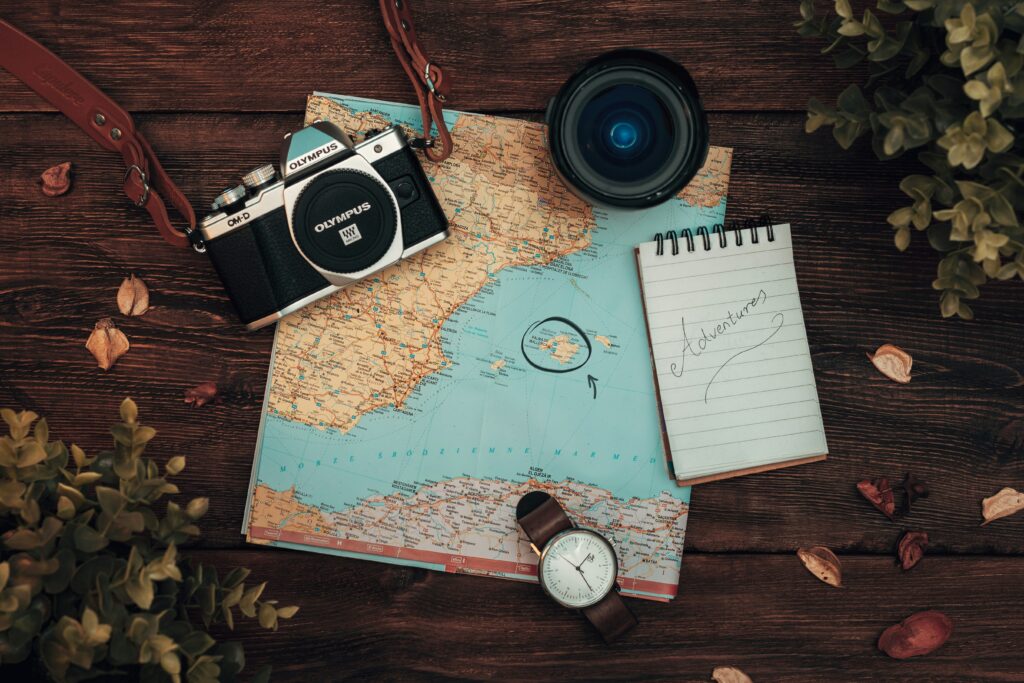
Top Trip Planning Tools for Stress-Free Travel

Planning a trip can feel like a game of Tetris with a ticking clock, but it doesn’t have to be a headache. The good news is, there’s a whole world of tools out there designed to streamline the process and take the “stress” out of “travel planning.” From finding the best flights to organizing your itinerary, these digital assistants can turn a potentially overwhelming task into a genuinely enjoyable precursor to your adventure. Let’s dive into some of the best tools available to help you plan your next stress-free getaway.
Booking flights and hotels is often where the real planning begins. Getting these right can set the tone for your entire trip, so having the right tools to compare, track, and book is essential.
Flight Comparison & Price Tracking
Gone are the days of sifting through individual airline websites. These tools act as your personal flight detectives, sniffing out the best deals and keeping an eye on price fluctuations.
Google Flights
This is a powerhouse for a reason. Google Flights is incredibly intuitive, allowing you to easily browse destinations, see price trends over time, and even explore dates with the cheapest fares. Its calendar view is fantastic for flexible travelers, and you can track specific flights or routes to get email alerts when prices change. It also shows you the environmental impact of your flight, which is a nice bonus.
Skyscanner
Skyscanner is a classic for a reason. Its “Everywhere” search option is brilliant for when you know you want to go somewhere, but aren’t tied to a specific destination – perfect for spontaneous budget travelers. It often picks up smaller airlines and less conventional routes, sometimes unearthing fantastic deals that other sites might miss. You can also mix and match airlines for different legs of your journey, potentially saving big.
Kayak
Kayak is another popular meta-search engine that scans hundreds of travel sites at once. Beyond basic flight searches, it offers a “Price Forecast” feature that tells you whether to buy now or wait, based on historical data. It also includes packages, making it a good all-in-one stop if you’re looking for more than just flights. You can also set up price alerts here.
Hotel & Accommodation Booking
Once flights are sorted, it’s time to find a comfortable place to rest your head. Different travelers have different needs, and these platforms cater to a variety of preferences and budgets.
Booking.com
Booking.com is a giant in the accommodation world for good reason. It boasts an enormous selection, from luxury hotels to budget hostels and apartments. Its filter options are incredibly detailed, allowing you to narrow down choices by price, amenities, reviews, and even specific neighborhood attributes. The Genius loyalty program offers discounts and perks, which can be quite valuable for frequent travelers.
Airbnb
For a more local experience or if you’re traveling with a group, Airbnb is often the go-to. You can find everything from cozy rooms to entire houses, often with kitchens and living spaces, which can be a real cost-saver and comfort enhancer. Reading host reviews and checking the cleanliness standards is always a good idea, and their “Experiences” feature can help you find unique local activities too.
Agoda
Particularly strong in Asia, Agoda often has excellent deals on hotels and resorts in that region. It’s worth checking them even if you’re not heading to Asia, as they have a global presence. They often run flash sales and have a loyalty program, “Agoda Cash,” which can amount to significant savings over time. Their map view for searching is particularly useful for pinpointing locations.
If you’re looking to enhance your travel experience, consider exploring the best trip planning tools available to streamline your journey. These tools can help you organize your itinerary, find accommodations, and discover local attractions. For instance, you might find inspiration for your culinary adventures in Dubai by checking out this article on the best restaurants in Dubai and their signature specialties. This resource can complement your trip planning by highlighting must-visit dining spots during your stay.
Crafting Your Itinerary & Staying Organized
Once you’ve got your flights and accommodation sorted, the next hurdle is mapping out your days. This is where itinerary planners and organizational tools come into play, helping you visualize your trip and keep important details at hand.
Itinerary Planners & Organizers
These tools are like your personal travel secretary, keeping all your bookings, plans, and ideas in one accessible place.
TripIt
TripIt is a marvel of automation. You simply forward your booking confirmation emails (flights, hotels, car rentals, restaurant reservations, etc.) to a dedicated TripIt email address, and it magically creates a master itinerary for you. It organizes everything chronologically, provides useful details like terminal numbers and gate information, and even tracks frequent flyer points in the paid version. It’s accessible offline, which is a lifesaver when you’re without data.
Wanderlog
Wanderlog is great for collaborative planning, making it perfect for group trips. You can invite friends to contribute, and it features a clean, map-based interface to visualize your route. You can add places of interest, mark them as booked, and even get estimated driving or public transport times between locations. It also offers budget tracking and helps you discover new places.
Google Maps
While not exclusively an itinerary planner, Google Maps is indispensable for travel planning. You can “star” or “save” places of interest (restaurants, museums, landmarks) to create custom maps. This visual approach is incredibly helpful for understanding geographic proximity and planning efficient routes. You can also download offline maps, which is crucial for navigation without an internet connection. Creating custom lists of places to visit, like “Paris Must-Sees” or “Tokyo Ramen Spots,” helps organize your thoughts.
Managing Your Money & Staying Connected

Travel often involves handling different currencies, sticking to a budget, and potentially needing to communicate internationally. These tools simplify those aspects, so you can focus on enjoying your trip without financial or connectivity worries.
Budgeting & Expense Tracking
Keeping an eye on your spending is vital for a stress-free trip. These tools help you track every penny (or cent, or yen) and ensure you don’t overspend.
Splitwise (for group trips)
If you’re traveling with friends or family, Splitwise is a lifesaver. Instead of constantly settling up small amounts, everyone can input their expenses, and Splitwise calculates who owes whom at the end of the trip, minimizing awkward conversations and ensuring fairness. It can handle different currencies and various payment methods.
Travelspend
Travelspend is designed specifically for travel budgeting. You can set a daily or overall budget, track expenses in various currencies, and see real-time conversions. It provides clear visualizations of where your money is going, helping you adjust your spending on the fly. It also allows for collaboration, so multiple people can add expenses to a shared trip.
Your Bank’s App
Don’t overlook the power of your own bank’s mobile app. Many now offer features like travel notifications (so your card isn’t flagged for fraud), real-time transaction alerts, and the ability to temporarily freeze or unfreeze your card. Some even allow you to set spending limits or view international transaction fees. A quick check of your balance before and during your trip can prevent unwelcome surprises.
When planning your next adventure, utilizing the right tools can make all the difference in creating a memorable experience. For those interested in exploring the rich history and vibrant culture of Rome, Italy, you might find it helpful to read a related article that highlights the best trip planning tools available. This resource can guide you in organizing your itinerary and ensuring you don’t miss any must-see attractions. To learn more about what to do and see in Rome, check out this informative piece here.
Communication & Connectivity
Staying in touch and having access to information is crucial, especially in unfamiliar places.
Airalo (eSIMs)
Dealing with physical SIM cards can be a hassle. Airalo offers eSIMs for virtually every country, allowing you to instantly download and activate a local data plan on your phone. This means you have data as soon as you land, avoiding expensive roaming charges and the hunt for a local SIM card. It’s incredibly convenient and often more affordable than traditional roaming.
Google Translate
Even a basic understanding of key phrases can go a long way. Google Translate isn’t perfect, but it’s an incredibly powerful tool. Its conversation mode can provide real-time translation, the camera function can translate signs or menus, and you can download language packs for offline use – essential when you don’t have data. Learning a few basic phrases of the local language is always recommended, but this fills in the gaps.
Health, Safety & Local Insights

Beyond logistics, your well-being and understanding of your destination are paramount. These tools help you stay safe, informed, and make the most of your cultural immersion.
Health & Safety Resources
Knowing what to do in an emergency and understanding local customs can prevent unwanted situations.
Aaptiv (offline workouts if you’re active)
Okay, this might seem a little niche, but if maintaining your fitness routine is important to your mental well-being on a trip, Aaptiv or similar fitness apps (many have offline capabilities) can be incredibly useful. Stress-free travel often means maintaining some semblance of normalcy, and for many, that includes exercise. No need to hunt for gyms or specific classes; just pop in your headphones and get moving.
Local Embassy/Consulate Websites
Always know where your country’s embassy or consulate is located in your destination. These websites often provide critical information on local laws, safety advisories, and what to do in an emergency. Many countries also have programs to register your travel plans (like the Smart Traveler Enrollment Program – STEP – for US citizens), which allows them to contact you in case of an emergency or provide assistance.
Red Cross First Aid App
Having basic first aid knowledge at your fingertips can be invaluable. The Red Cross offers free apps that provide step-by-step instructions for common emergencies. While we hope you never need it, knowing you have access to this information can provide a significant degree of peace of mind.
Local Insights & Cultural Immersion
True stress-free travel also means feeling comfortable and connected to your destination, not just breezing through.
TripAdvisor
While some argue its glory days are past, TripAdvisor still offers a wealth of user-generated reviews for restaurants, attractions, and tours. It’s great for getting a general consensus and filtering options by traveler type, price, and cuisine. Remember to take reviews with a grain of salt, but it can provide a good starting point for activities and dining.
Culture Trip / Local Blogs
For more authentic, less tourist-trap advice, seek out local blogs and websites like Culture Trip. These often feature articles written by locals or long-term residents, offering insights into hidden gems, cultural nuances, and specific neighborhood recommendations that larger tourist sites might miss. A quick Google search for “[Destination] local blog” can yield some fantastic results.
Meetup
If you’re traveling solo and looking to connect with people with similar interests, Meetup can be a fantastic resource. From language exchange groups to hiking clubs or photography walks, you can find local events and communities to join. This can enrich your travel experience and provide a stress-free way to meet people and experience the local culture beyond typical tourist activities.
By leveraging these tools, you’re not just planning a trip; you’re building a seamless, organized adventure. Each of these resources, used smartly, contributes to a calmer, more enjoyable journey, letting you focus on the experiences rather than the logistics. Happy travels!
Recent Stories
-

Europe Honeymoon in the Alps traveljunky04.blogspot.com
-

Kerala Honeymoon Packages from Delhi traveljunky04.blogspot.com
-
Beginner-Friendly Yacht Water Sports Activities and Setup Guide yachttrading.com
-
Visit HaLong Bay: things to know for a concious choice... warmcheaptrips.com
-
Best Riads Near Jemaa El-Fna Marrakech 2026 marrakechinmorocco.com
Leave Your Comment