
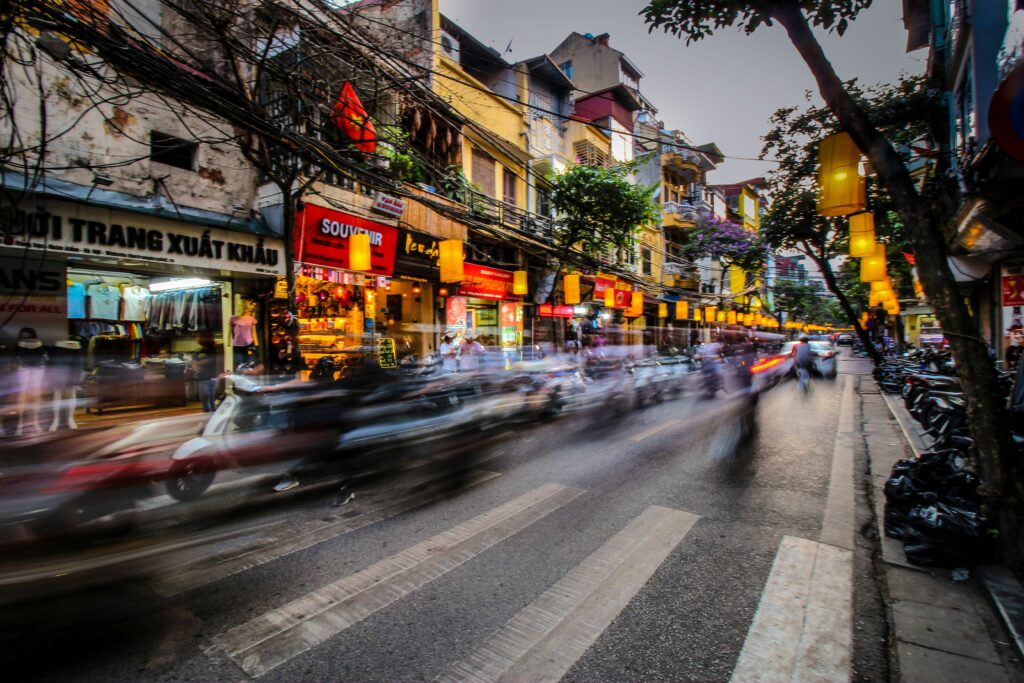
Hanoi travel guide

I distinctly remember the first time I set foot in Hanoi. The air, thick with the scent of blossoming frangipani and exhaust fumes, enveloped me as soon as I stepped out of Noi Bai International Airport. It was an assault on my senses, a vibrant tapestry woven from the insistent honking of motorbikes, the rhythmic clatter of street food vendors, and the kaleidoscope of colorful lanterns swaying gently in the breeze. I knew, even then, before I’d properly seen anything, that this city would etch itself onto my soul. Hanoi wasn’t just a destination; it was an experience, a living, breathing entity that pulsed with history, culture, and an undeniable energy. Over the course of my trips there, I’ve found myself falling deeper and deeper in love with its charming contradictions and its enduring spirit.
Hanoi’s history is a long and winding road, stretching back millennia. It feels as if every stone, every lake, every ancient temple whispers tales of emperors and warriors, of triumphs and struggles. I often find myself getting lost in its historical narrative, tracing the footsteps of those who came before.
The Imperial Citadel of Thang Long: A Millennial Legacy
Standing within the hallowed grounds of the Imperial Citadel of Thang Long, I feel an almost palpable connection to Vietnam’s imperial past. This UNESCO World Heritage site is more than just ruins; it’s a testament to over a thousand years of political and cultural centrality. Excavations have revealed layers upon layers of history, from the Lý Dynasty to the Nguyễn Dynasty, each leaving its unique architectural and artistic footprint. I remember wandering through the D67 Tunnel and House, feeling the weight of the Vietnam War, a stark contrast to the grandeur of the ancient palaces. It’s a place where history isn’t just displayed; it’s unearthed, revealing the continuous evolution of Vietnamese power and artistry. I always make sure to take my time here, imagining the lives that unfolded within these walls, the decisions that shaped a nation.
The Temple of Literature: A Sanctuary of Learning
Just a short walk from the Citadel lies the Temple of Literature, Vietnam’s first national university. Stepping through its ornate gates, I am immediately struck by the serene atmosphere. It’s a peaceful oasis in the bustling city, a place dedicated to Confucius and the pursuit of knowledge. I love the five courtyards, each with its own character, from the well-manicured gardens to the majestic Stelae of Doctors, where I can read the names of those who excelled in royal examinations. These stone tablets, mounted on the backs of giant tortoises, are impressive reminders of the reverence for education in Vietnamese culture. I find myself feeling humbled here, reflecting on the enduring value of intellect and scholarship, a sentiment that resonates deeply within me.
Hoa Lo Prison: A Haunting Reminder
In stark contrast to the grandeur of the Citadel and the tranquility of the Temple, Hoa Lo Prison, infamously known as the “Hanoi Hilton” by American POWs, offers a stark and sobering glimpse into a much darker chapter of history. Walking through its cold, stone corridors, seeing the cramped cells and the instruments of torture, sends shivers down my spine. It’s a powerful, albeit disturbing, experience that underscores the hardships and resilience of the Vietnamese people during periods of conflict. I find myself reflecting on the human cost of war and the enduring spirit of those who endured such suffering. It’s a necessary reminder, I believe, to acknowledge the brutal realities of the past while appreciating the peace of the present.
If you’re interested in exploring the rich history and culture of Hanoi, you might find this related article on travel tips for visiting Vietnam particularly helpful. It provides insights into the best places to visit, local cuisine to try, and cultural etiquette to keep in mind while navigating the vibrant streets of Hanoi. For more information, check out the article here: Travel Tips for Visiting Vietnam.
The Old Quarter: A Labyrinth of Life
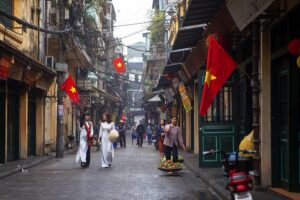
Old Quarter in Hanoi
Lost in the winding streets of the Old Quarter is where I truly feel Hanoi’s heartbeat. It’s a sensory overload in the best possible way, a vibrant kaleidoscope of sights, sounds, and smells. This ancient trading hub, with its 36 guild streets, each traditionally specializing in a particular craft or commodity, is a living museum.
Dong Xuan Market: A Bustling Bazaar
My exploration of the Old Quarter always leads me to Dong Xuan Market, a sprawling, multi-story emporium that’s a cornerstone of Hanoi’s commercial life. Here, I’m immersed in a whirlwind of activity. The ground floor teems with fresh produce, spices, and an array of tempting street food stalls. As I navigate the narrow aisles, the aroma of pho mingles with the sweetness of exotic fruits and the pungent scent of fish sauce. Upstairs, I discover an Aladdin’s cave of textiles, electronics, and trinkets. It’s an overwhelming yet exhilarating experience, a true embodiment of Hanoi’s vibrant energy. I love the thrill of bargaining, even though I’m probably terrible at it, and the satisfaction of finding a unique souvenir amidst the chaos.
Street Food Adventures: A Culinary Revelation

Street Food in Hanoi
For me, Hanoi’s street food isn’t just about sustenance; it’s a vital part of the cultural experience. I remember my first bowl of pho, the fragrant broth, the tender beef, the fresh herbs – it was a revelation. Since then, I’ve made it my mission to sample as much as possible. From the crispy banh mi, with its perfectly balanced fillings, to the delicate bun cha, served with grilled pork patties and vermicelli noodles, every dish is a culinary journey. I love sitting on a tiny plastic stool on the sidewalk, watching the world go by as I savor each bite. It’s an intimate experience, sharing a meal with locals, observing their daily routines, and feeling a part of the city’s pulse. I’ve learned to embrace the bustling atmosphere, the occasional stray dog, and the unwavering friendliness of the vendors.
Ancient Houses and Hidden Alleys: A Glimpse into the Past
Beyond the bustling main thoroughfares, the Old Quarter reveals its quieter, more intimate side through its ancient tube houses and labyrinthine alleys. I often find myself wandering down these narrow passages, discovering hidden temples, charming cafes, and workshops where craftsmen still practice traditional trades. The Ngo Gach street, for example, known for its traditional medicine shops, offers a glimpse into centuries-old healing practices. These hidden corners are where the true charm of the Old Quarter lies for me, a chance to escape the noise and connect with the city’s enduring heritage. I sometimes imagine what life must have been like in these houses centuries ago, the families living and working in these same spaces, and it fills me with a sense of wonder.
Serene Escapes: Lakes and Green Spaces

Despite its urban intensity, Hanoi offers numerous pockets of tranquility, places where I can find respite from the ceaseless energy of the city. These green spaces and shimmering lakes are cherished by locals and offer a refreshing contrast to the bustling streets.
Hoan Kiem Lake: Heart of the City
Hoan Kiem Lake is, without a doubt, the beating heart of Hanoi. Its emerald waters, fringed by willow trees and colonial-era buildings, offer a picturesque setting for a leisurely stroll. I love to walk around the lake in the early mornings, watching locals practice tai chi or go for their daily jogs. The iconic red Huc Bridge, leading to Ngoc Son Temple on a small island, is a favorite spot for photos, and I’ve captured many memorable moments there. The legend of the giant turtle and the magic sword adds a mythical allure to the lake, making it more than just a beautiful body of water; it’s a place steeped in folklore and cultural significance. I always find myself drawn back to its shores, a place where time seems to slow down, allowing me to simply be.
West Lake: A Grander Scale
West Lake, or Hồ Tây, is significantly larger than Hoan Kiem and offers a different kind of serenity. Renting a bicycle and cycling around its circumference is one of my favorite activities. The gentle breeze, the shimmering water, and the dotted pagodas along its shores create a truly peaceful escape. Tran Quoc Pagoda, Vietnam’s oldest pagoda, sits on a small island near the southeastern shore, its ancient structure a beautiful sight against the backdrop of the lake. I enjoy stopping at one of the many lakeside cafes, sipping a Vietnamese coffee, and simply watching the sunset over the water. It’s a moment of pure bliss, a chance to unwind and reflect.
Botanical Garden: A Lush Sanctuary
For an even deeper immersion in nature, I head to the Hanoi Botanical Garden. This sprawling green space, established during the French colonial era, is a haven of diverse flora and fauna. Walking amidst the towering trees, the vibrant flowerbeds, and the playful monkeys, I feel a sense of calm wash over me. It’s a perfect spot for photography or simply for finding a quiet bench to read a book. The air here feels fresher, the sounds of the city muted, replaced by the chirping of birds and the rustling of leaves. It’s a testament to Hanoi’s commitment to preserving green spaces within its urban fabric, providing its residents and visitors with vital lungs of the city.
Cultural Delights: Art, Performance, and Craft

Hanoi is a deeply artistic and culturally rich city. Beyond its historical sites, I’ve discovered a thriving contemporary art scene, traditional performances that captivate, and a dedication to preserving ancient crafts.
Water Puppet Theatre: A Unique Art Form
The Thang Long Water Puppet Theatre is an absolute must-see for me on every visit. This ancient art form, originating in Vietnam’s Red River Delta, is simply enchanting. The puppeteers, standing in waist-deep water behind a screen, manipulate intricate wooden puppets, bringing to life traditional Vietnamese tales and rural scenes with incredible skill and precision. The live orchestra accompanying the performance adds another layer of authenticity and charm. I find myself completely captivated by the vibrant colors, the expressive movements of the puppets, and the unique soundscapes. It’s a magical experience that transcends language barriers and offers a glimpse into Vietnam’s rich folk culture.
Museums and Galleries: A Window into Vietnamese Creativity
Hanoi boasts an impressive array of museums and art galleries that showcase both its historical narrative and its contemporary artistic expressions. The Vietnam Museum of Ethnology is a particular favorite of mine. Here, I delve into the diverse cultures of Vietnam’s 54 ethnic groups, learning about their traditions, costumes, and way of life. The outdoor exhibition area, featuring traditional houses from different ethnic minorities, is particularly engaging. I also enjoy exploring the city’s numerous art galleries, from the state-run fine art museums to the smaller, independent galleries displaying works by emerging Vietnamese artists. These spaces offer a vital platform for understanding the evolving artistic landscape of the country, reflecting both tradition and innovation. I always try to pick up a small piece of art to remind me of the vibrant creative spirit here.
Traditional Craft Villages: Skill and Heritage
Venturing outside the city center, I’ve had the pleasure of visiting several traditional craft villages, where ancient skills are meticulously passed down through generations. Bat Trang Ceramic Village, for instance, a short drive from Hanoi, is a fascinating place to witness the intricate process of pottery making. I love watching the artisans at work, their hands expertly shaping clay into beautiful intricate pieces. Ha Thai Lacquer Village is another gem, where the painstaking art of lacquerware, with its multiple layers and delicate designs, is brought to life. These villages are not just about production; they are living testaments to Vietnam’s artistic heritage and the dedication of its people to preserve these invaluable skills. I always leave with a deeper appreciation for the artistry and patience involved in creating these beautiful objects.
Hanoi, the vibrant capital of Vietnam, is known for its rich history and bustling street life, making it a fascinating destination for travelers.
Modern Hanoi: Embracing the Future
| City | Population | Area (km²) | UNESCO World Heritage Sites |
|---|---|---|---|
| Hanoi | 7.8 million | 3,328.9 | Central Sector of the Imperial Citadel of Thang Long – Hanoi |
While steeped in history, Hanoi is by no means stuck in the past. It’s a dynamic city that is actively embracing modernity, reflected in its burgeoning cafe culture, contemporary architecture, and a growing cosmopolitan vibe.
The Cafe Culture: A Daily Ritual
Hanoi’s cafe culture is something I’ve come to adore. From traditional Vietnamese coffee shops serving strong, sweet ca phe sua da (iced coffee with condensed milk) to trendy cafes specializing in artisanal brews, there’s a cafe for every taste. I love spending an hour or two in a bustling street-side cafe, observing the flow of life, or seeking refuge in a quieter spot with a good book. The communal aspect of coffee drinking is deeply ingrained in Vietnamese culture, and it’s a wonderful way to experience local life. I’ve had countless conversations with locals and fellow travelers over a cup of Vietnamese coffee, and these moments have become some of my most cherished memories of the city.
Modern Architecture and Development: A Shifting Skyline
As I explore Hanoi, I can’t help but notice the juxtaposition of ancient temples and colonial-era buildings with soaring skyscrapers and modern residential complexes. The city’s skyline is constantly evolving, reflecting its rapid urbanization and economic growth. While I appreciate the historical charm, I also find it fascinating to witness this transformation. The new urban areas, with their wider roads and contemporary designs, offer a glimpse into Hanoi’s future. It’s a testament to the city’s resilience and its ability to adapt and grow while still holding onto its unique identity. I find it exciting to see how Hanoi is striking a balance between preserving its heritage and embracing the demands of a modern world.
Nightlife and Entertainment: A Vibrant Evening Scene
As night falls, Hanoi takes on a different kind of energy. The Old Quarter, especially around Beer Street (Ta Hien Street), transforms into a lively hub of social activity. I love joining the crowds, sitting on tiny plastic stools, and enjoying an ice-cold Bia Hoi, a locally brewed fresh draught beer. The atmosphere is electric, with laughter, chatter, and music filling the air. Beyond the bustling streets, I’ve also discovered sophisticated rooftop bars offering panoramic views of the city and live music venues showcasing talented local artists. Hanoi’s nightlife caters to a diverse range of preferences, from lively street parties to more intimate cultural performances. It’s a city that truly comes alive after dark, offering endless opportunities for entertainment and connection.
In conclusion, Hanoi has profoundly impacted me. It’s a city of delightful contrasts, where ancient traditions seamlessly blend with modern aspirations. Every visit reveals new layers, new stories, and new experiences. The warmth of its people, the richness of its history, the explosion of its flavors, and the undeniable pulse of its daily life have all combined to create an unforgettable impression on my heart. Hanoi isn’t just a place I’ve traveled; it’s a place I genuinely feel connected to, a city I deeply admire and long to return to, time and time again.
The best hotels in Old Quarter in Hanoi
The Vietage by Anantara Accommodation Offers page presents a collection of exclusive luxury travel packages that combine Vietnam’s most elegant rail journey with premium resort stays. Guests can enjoy curated experiences featuring The Vietage’s luxury train service alongside accommodations at renowned properties.
Recent Stories
-

The Vietage Train in Vietnam lamp.glopss.com
-

Europe Honeymoon Itinerary for 10 Days traveljunky04.blogspot.com
-

Kerala Honeymoon with Hill Stations traveljunky04.blogspot.com
-
Europe Tour Packages Covering Multiple Countries traveljunky04.blogspot.com
-
What Makes Yacht Travel Different From Other Sea yachttrading.com
Leave Your Comment