
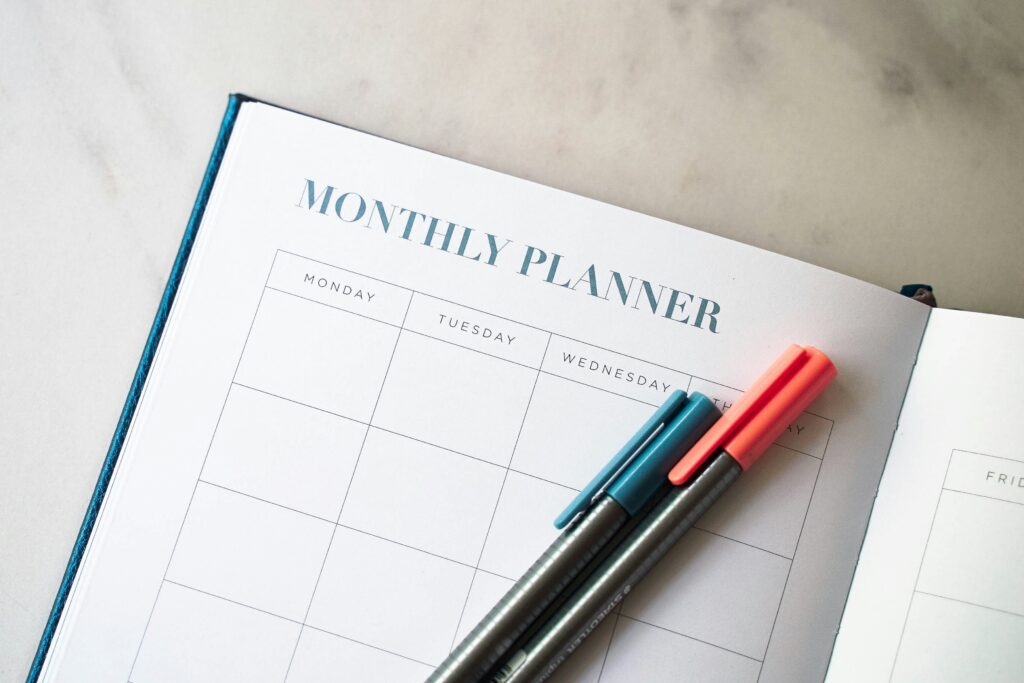
Group Trip Planning Template: Organize Your Next Adventure

Planning a group trip can feel like herding cats, but it doesn’t have to be a headache. The simplest way to keep everyone on the same page and reduce stress is to use a clear, shared template. Think of it as your group’s central command for who, what, when, where, and how much.
Why a Template is Your Trip’s Best Friend
Let’s be real, emails get lost, WhatsApp chats become an unreadable mess, and relying solely on memory is a recipe for disaster. A template centralizes all the crucial information, making it easy for everyone to access and understand. This means fewer repetitive questions, less frantic searching, and more time focusing on the fun parts of your trip. It also acts as a living document, evolving as your plans solidify.
Before you even think about booking, you need to get a general idea of what kind of trip everyone envisions. This initial brainstorm isn’t about definitive answers, but rather establishing broad strokes.
Determining Trip Type and Destination Vibe
Are we talking a relaxing beach escape, an adventurous hiking expedition, a cultural city break, or something else entirely? The type of trip dictates so many other decisions, from accommodation style to activity level.
- Beach vs. Mountains vs. City: This fundamental choice often narrows down destination options quickly.
- Relaxation vs. Adventure vs. Culture: Understanding the group’s general preference here helps avoid disappointments later on.
- Pace of Travel: Do people want to cram in as much as possible, or take things at a leisurely pace?
Establishing Dates and Duration
This is often the trickiest part, especially with busy schedules. It requires flexibility and open communication.
- Initial Availability Poll: Use a simple online poll (like Doodle Poll or Google Forms) to gather everyone’s potential availability over a few months.
- Ideal vs. Realistic Duration: What’s the sweet spot for the group? A long weekend, a week, or longer? Consider travel time within this.
- Key Calendar Conflicts: Be aware of major holidays, school breaks, or important personal events that might impact availability.
Budget Expectations: The Elephant in the Room
Money is often the most sensitive topic. Address it early and transparently.
- Rough Budget Tiers: Instead of asking for exact figures, offer broad categories: “Economy,” “Mid-Range,” “Luxury.” This allows people to opt into a general budget level without feeling scrutinized.
- What’s Included in the Budget: Clarify what the proposed budget covers (e.g., flights, accommodation, some activities, some meals) and what it doesn’t.
- Individual Spending Habits: Acknowledge that people have different spending styles. The goal is to find a comfortable middle ground.
If you’re looking to streamline your group trip planning, you might find our related article on creating an effective group trip planning template particularly useful. This resource offers tips and strategies to ensure that everyone in your group is on the same page, making the planning process smoother and more enjoyable.
The Core Planning Template: Essential Sections
Now that you have a general vibe, it’s time to build your template. I recommend using a shared document like Google Docs, Notion, or even an Excel spreadsheet for this. It needs to be easily editable and accessible by all.
When organizing a group trip, having a well-structured planning template can make all the difference in ensuring a smooth experience for everyone involved. For those looking to explore exciting destinations, you might find inspiration in a related article about new property developments in Dubai, which highlights the vibrant Jumeirah Village Circle area. This information can be particularly useful for planning accommodations and activities during your trip. To learn more, check out the article here.
Trip Overview
This is your executive summary, providing all the critical information at a glance.
- Trip Name: Something fun and memorable!
- Destination(s): List all cities, regions, or countries.
- Dates: Start and end date.
- Travelers: A list of all confirmed attendees. Include emergency contact info here if comfortable.
- Purpose/Theme: A brief blurb about the trip’s focus (e.g., “Celebrating Sarah’s 30th,” “Exploring Portugal’s Coast,” “Relaxing Lake Getaway”).
- Point Person(s): Who is primarily coordinating? It’s good to have one or two leads to avoid confusion.
Transportation Logistics
This section covers how you’re getting there and getting around.
- Flights/Trains/Driving:
- Departure/Arrival Airports/Stations: List specific codes (e.g., LAX, LHR).
- Flight/Train Numbers: Once booked.
- Departure/Arrival Times: Include time zones.
- Booking Reference Numbers: Crucial for check-in and changes.
- Airline/Carrier Name:
- Cost Per Person:
- Notes: Any layovers, baggage allowances, seat assignments, carpool arrangements.
- Local Transportation:
- Car Rental Details: Company, pick-up/drop-off times/locations, confirmation number, who is driving, who is covering fuel.
- Public Transit Information: Best apps, types of passes, estimated costs.
- Ride-Sharing Options: Availability and estimated costs (Uber/Lyft).
- Walking/Biking: Feasibility and safety.
Accommodation Details
Where everyone will be resting their heads. Be specific.
- Accommodation Name(s): Hotel, Airbnb, Hostel, etc.
- Address: Full address for GPS and local navigation.
- Contact Information: Phone number for the property.
- Check-in/Check-out Times:
- Booking Reference Number:
- Cost Per Person/Night:
- Rooming Assignments: Who is sharing with whom.
- Amenities: Important features like Wi-Fi, breakfast included, pool, laundry facilities.
- Notes: Early check-in requests, special instructions.
Itinerary & Activities
This is where the fun really begins! Outline the daily plan, but keep it flexible.
- Per Day Breakdown:
- Date & Day of Week: Saturday, June 15th
- Morning (e.g., 9:00 AM – 12:00 PM):
- Activity/Location: E.g., “Visit Louvre Museum (pre-booked tickets)”
- Details/Notes: “Meet at pyramid entrance at 9:15 AM.”
- Cost (approx): €20
- Responsible Person: (Who booked/is leading this activity)
- Lunch (e.g., 12:30 PM – 1:30 PM):
- Restaurant/Type of Food: “Casual café near museum,” “Packed picnic.”
- Details/Notes: “Open to suggestions.”
- Cost (approx): €15
- Afternoon (e.g., 2:00 PM – 6:00 PM):
- Activity/Location: E.g., “Seine River cruise.”
- Details/Notes: “Departs from Pont Neuf, wear comfortable shoes.”
- Cost (approx): €25
- Evening (e.g., 7:00 PM onwards):
- Dinner: “Le Jules Verne (reservations essential)”
- Details/Notes: “Dress code: smart casual. Meet at 6:45 PM.”
- Cost (approx): €80+
- Optional Activity: “Evening stroll near Eiffel Tower.”
- Free Time/Optional Activities: Clearly mark periods where individuals can choose their own adventure.
- Booking Confirmation Numbers: For any pre-booked tours, events, or restaurant reservations.
- Contact Information for Tour Operators/Restaurants:
Financial Tracking & Group Budget
This is critical for avoiding awkward money conversations later.
- Overall Budget Snapshot: Reiterate the agreed-upon budget per person.
- Payment Log:
- Item: Flight, Accommodation Deposit, Tour 1, Dinner 1
- Total Cost: $X
- Paid By: (Whose card was used)
- Each Person Owes: $Y
- Amount Paid by Each Person: $Z
- Balance Due/Overpaid: $A
- Date Paid:
- Notes: (e.g., “Sarah paid for hotel deposit, Alex owes her $100”)
- Shared Expense Tracker: Many apps (Splitwise, Tricount) make this much easier, but a simple spreadsheet within your template can work too. This tracks shared meals, groceries, Ubers, etc.
- Payment Deadlines: When deposits are due, final payments.
- Currency Information: Exchange rates, tips on local currency, average tipping percentages.
- Emergency Fund: Discuss the possibility of setting aside a small emergency fund.
Practical Considerations & Important Extras

Beyond the main itinerary, there are many smaller, but crucial, details that can make or break a group trip.
Pre-Departure Checklist for Each Traveler
A simple list helps everyone pack and prepare effectively.
- Documents: Passport/ID (check expiry!), visas, flight/accommodation confirmations, travel insurance.
- Essentials: Medications (with prescriptions if needed), essential toiletries, chargers, adapters.
- Clothing: Specific recommendations based on destination and activities (e.g., “Layers for hiking,” “Swimsuit,” “Smart casual for dinners”).
- Money: Local currency, credit cards (notify bank of travel!), emergency cash.
- Health & Safety: Vaccination records, first-aid kit, insect repellent, sunscreen.
- What to Pack in Carry-on: Critical items in case checked luggage is delayed.
Communication Strategy
How will the group stay connected during the trip?
- Pre-Trip Communication: Which channels will be used for planning (e.g., shared document, WhatsApp group for quick chats).
- During-Trip Communication: Agree on a primary method (e.g., WhatsApp group, iMessage group) for real-time updates, meeting points, and sharing photos.
- Emergency Contacts: List local emergency numbers and a designated non-traveling contact person for each group member.
- Data Roaming/Local SIM Cards: Discuss options for staying connected internationally.
Important Notes & Contingency Plans
Think ahead about potential issues and how the group will handle them.
- Flexibility is Key: Emphasize that the itinerary is a guide, and things might change.
- Roles & Responsibilities: Assign small tasks to different group members (e.g., “Alex handles checking attraction opening times,” “Maria researches dinner options for day 3”).
- Handling Disagreements: Acknowledge that travel can be stressful and encourage open, respectful communication.
- Emergency Protocol: What if someone gets lost? What if there’s a medical emergency? Have a basic plan.
- Travel Insurance Information: Company name, policy number, emergency contact details for the insurance provider.
Group Agreement (Optional, but Recommended for Larger Groups)
For bigger groups, a short, informal agreement can set expectations.
- Shared Costs: How will common expenses be handled? Payment app? One person pays?
- Decision Making: How will group decisions be made (majority vote, lead person decides after discussion)?
- Personal Time: Emphasize that it’s okay to split up for individual activities.
- Respect for Different Paces: Some people are early risers, others night owls.
Maintaining and Updating Your Template

A template is only useful if it’s kept current and everyone knows how to use it.
Regular Check-ins
Schedule short, regular virtual meetings or dedicated messaging threads to review progress and make decisions. This prevents things from falling through the cracks.
- Bi-Weekly/Monthly Calls: For major updates and decisions.
- As-Needed Messaging: For quick questions or minor adjustments.
Version Control & Accessibility
Ensure everyone is looking at the most current version of the plan.
- Google Docs/Notion Best: These platforms automatically update and show version history.
- Designate an Editor: While everyone should have access, having one or two people responsible for making official edits can keep things tidy.
- Read-Only for Some: Consider giving view-only access to some members if you want to limit accidental changes.
Post-Trip Review (Optional, but Fun!)
After the trip, you can use the template as a reference for reflections.
- What Went Well:
- What Could Be Improved:
- Expenses Recap: Review actual spending versus budget.
- Photo/Video Sharing: Use the template to link to shared albums.
By investing a bit of time upfront in creating and maintaining a comprehensive group trip planning template, you’re not just organizing logistics; you’re building a foundation for a smoother, more enjoyable, and ultimately, more memorable adventure for everyone involved. Happy travels!
Recent Stories
-
All-Inclusive Resorts & Hotels in Marrakech marrakechinmorocco.com
-

Best Europe Honeymoon Destinations in 2026 traveljunky04.blogspot.com
-
Monsoon Kerala Honeymoon Experience traveljunky04.blogspot.com
-
8 Things I Wish I Knew Before Buying a Moped... dttzh.com
-

Summer Europe Tour Packages 2026 traveljunky04.blogspot.com
Leave Your Comment